
Cette entreprise n'a pas de postes à pourvoir

Yevent
About Us
The Short Answer: Yes, But Manage Your Expectations
Beyond Sci-Fi: Are AI Translation Earbuds Finally Real? Your Pocket-Sized Babel Fish Explained
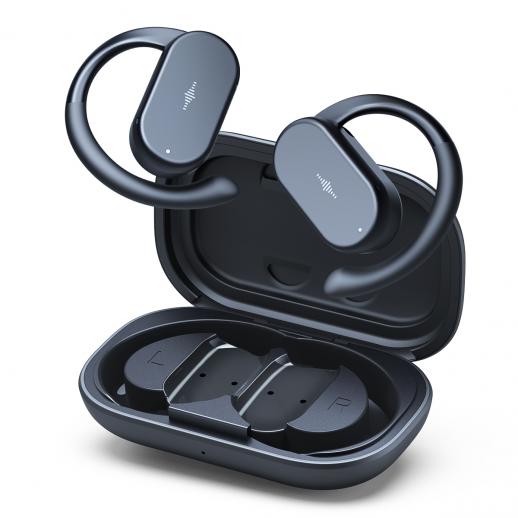
Remember watching sci-fi heroes effortlessly chat with aliens using tiny earpieces? For decades, it felt like pure fantasy. But stroll into an airport tech shop or browse online today, and you’ll find brands like Timekettle, Google Pixel Buds Pro, Travis Touch, Pocketalk, and MOBIC hawking exactly that: earbuds promising real-time, spoken language translation. So, the big question: Are AI translation earbuds actually real?
The Short Answer: Yes, But Manage Your Expectations
Let’s cut to the chase: Yes, AI translation earbuds are absolutely real devices you can buy right now. They physically exist, function, and are used by travelers, businesspeople, and curious tech enthusiasts globally. The sci-fi dream has manifested into tangible (albeit sometimes pricey) gadgets.
However, it’s crucial to understand how they work and what they can (and more importantly, can’t) do yet. They aren’t mystical telepathic universal translators. Here’s the reality:
How They Actually Work: Tech, Not Magic
- Capture: One person speaks into their earbud (or an app on a paired phone). The built-in microphones pick up their speech.
- Digitize & Send: The audio is converted into a digital signal.
- The Cloud or On-Device AI: This is the core magic. The digital signal is either:
- A) Sent to the Cloud: Transmitted via Bluetooth to your phone, then via mobile data/Wi-Fi to powerful remote AI translation servers (like those using Deep Neural Networks trained on massive datasets). This usually offers the most powerful and nuanced translations but requires a stable internet connection.
- B) Processed On-Device: Some higher-end models (like certain Timekettle earbuds or Google’s Pixel Buds Pro using Interpreter Mode) can handle simpler translations directly on the earbuds or phone without needing immediate internet. This is faster and more private but often sacrifices some complexity or language options.
- Translate: The AI engine converts the speech from Language A into Language B’s text, then uses Text-to-Speech (TTS) technology to generate spoken output in Language B.
- Deliver: The translated audio plays through the other person’s earbud.
The Experience: Amazing Potential, Real-World Quirks
Using them feels undeniably futuristic. Holding a relatively natural conversation with someone speaking a completely different language is a profound experience. Ordering food, asking for directions, making small talk – it genuinely works for these common scenarios.
But It’s Not Perfect (Yet): Key Limitations to Know
- Lag is Real: There’s often a noticeable pause (a second or several) between one person speaking and the translation coming through. This interrupts the conversational flow, requiring patience.
- Accuracy Isn’t 100%: Especially with complex sentences, technical jargon, heavy accents, slang, idioms, or background noise, mistakes happen. You might get the gist, but word-for-word perfection is rare. Think “good enough for travel” not “signing international treaties.”
- Context is King: AI still struggles with nuanced cultural context, sarcasm, or tone. “That’s sick!” might translate literally, not figuratively.
- Connectivity Dependence: Cloud-based models need solid internet. Lose your signal mid-conversation, and things get awkward.
- Battery Life: Real-time translation, audio processing, and Bluetooth streaming are power-hungry. Expect significantly less battery life than just listening to music.
- Background Noise: Crowded markets or noisy restaurants can challenge the microphones, leading to garbled input and poor translations.
- Conversational Style: You usually need to pause between sentences or even use a “talk button” (depending on the model). It’s less a free-flowing chat, more a structured back-and-forth.
So, Should You Buy Them?
It depends:
- For Travelers: Absolutely worth considering! Breaking down basic language barriers enhances experiences and reduces stress immensely. Just temper expectations and practice before relying solely on them for critical situations.
- For Casual Use/Tech Lovers: A fascinating gadget showcasing cutting-edge AI. Fun to experiment with, but possibly a luxury purchase.
- For Business Meetings/High-Stakes Situations: Not ready as a primary solution. Professional human interpreters remain essential for accuracy and nuance in complex negotiations or sensitive discussions.
- For Learning Languages: Can be a helpful tool for practicing comprehension, but don’t expect them to replace dedicated learning.
The Verdict: Real, Revolutionary, and Rapidly Evolving
Yes, AI powered gadgets translation earbuds are absolutely real. They are tangible products leveraging incredible AI advancements in speech recognition, machine translation, and text-to-speech. They accomplish something that felt like pure fiction just a decade ago.
But they are works in progress. They come with limitations around lag, accuracy, context, and connectivity. Think “amazingly useful assistant” rather than “infallible telepathic translator.”
The tech is improving rapidly. Models are getting smarter, on-device processing is becoming more powerful, and battery life is slowly increasing. What feels clunky today will likely feel seamless in a few years.
Bottom Line: AI translation earbuds are a genuine technological leap. They can meaningfully break down language barriers for many everyday situations. Just buy them with an understanding of their current capabilities and a dose of sci-fi tempered reality. The universal translator future isn’t fully here, but it’s undeniably beginning – and it fits right in your ears.